5 Best Tips to Choose Industrial Packaging Solutions: 2026 Guide

Not all bags are created equal. From UV-stabilized agriculture sacks to anti-static chemical liners, this guide reveals how to choose the perfect packaging for your industry.

How to Choose Industrial Packaging Solutions

 (Agriculture, Chemicals & Construction)
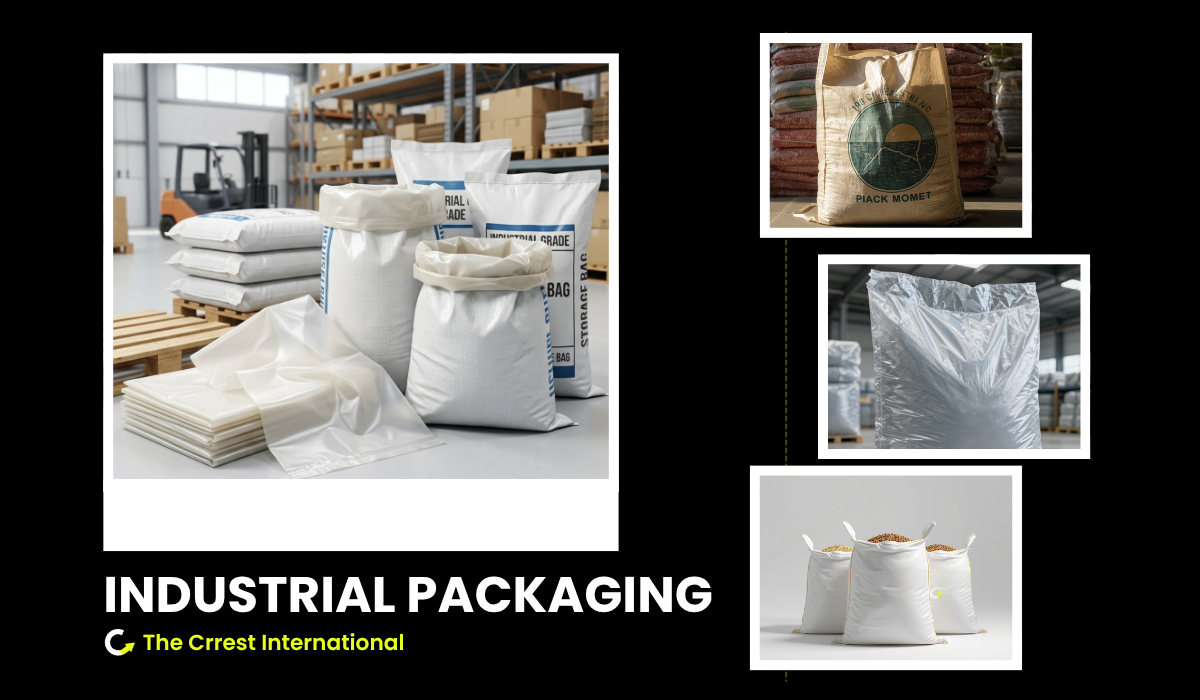
Industrial packaging solutions: PP woven bags, LDPE liners, and FIBC jumbo bags in a warehouse.

Choosing the right industrial packaging solutions is critical for ensuring product safety, cost efficiency, and smooth logistics. Different industries have unique packaging requirements—what works for agriculture may not suit chemicals or construction.

From bulk packaging solutions like FIBC jumbo bags to specialized materials like HDPE tarpaulin and LDPE liners, selecting the right option can directly impact your operational efficiency and brand reliability.

In this guide, we break down how to choose the right packaging based on your industry and application.

Packaging Solutions for Agriculture Industry

Agriculture relies heavily on durable, cost-effective, and weather-resistant packaging.
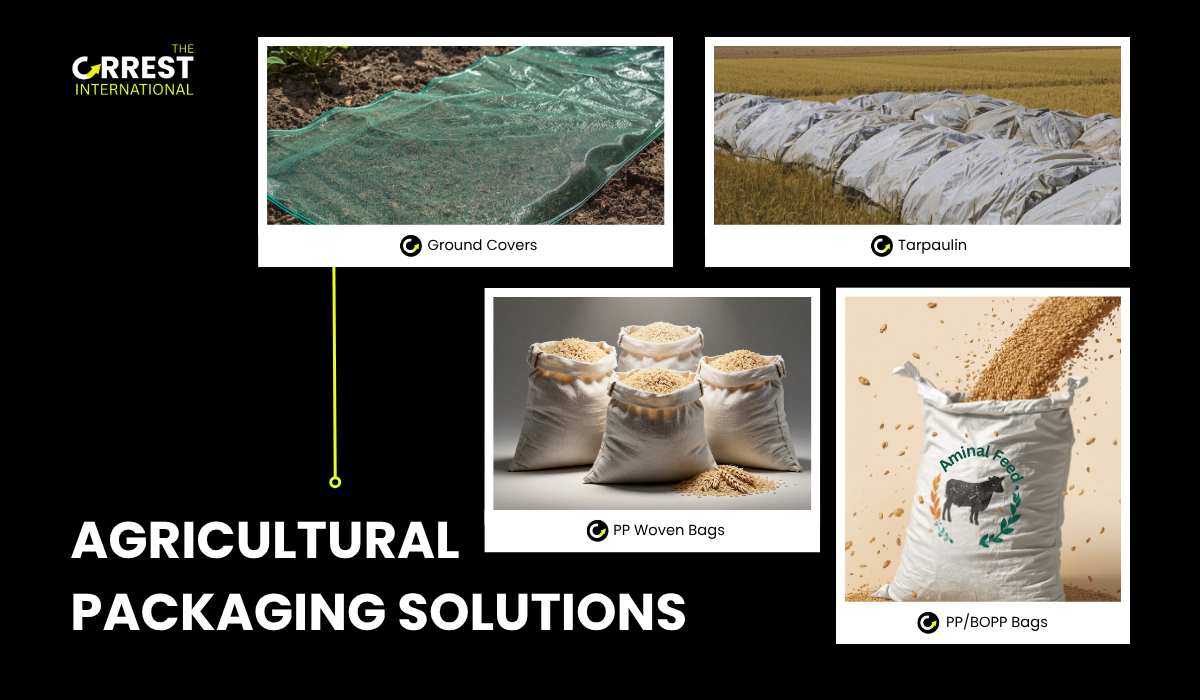
Agricultural packaging solutions including PP woven bags, BOPP bags, HDPE ground covers, and tarpaulins used for crop storage and farm protection.

Best Packaging Options:

Key Features to Consider:

  • UV resistance (sun exposure)
  • Breathability for grains
  • Moisture protection
  • Load-bearing strength

Expert Tip:

Always ensure your agricultural bags are UV-stabilized. Standard plastic degrades quickly under direct sunlight, leading to bag bursts during transport. Using the right packaging bags for agriculture ensures reduced spoilage, better storage, and easier transportation.

Packaging Solutions for Chemical Industry

The chemical industry operates under high-risk conditions. Packaging must prevent contamination, leaks, and—in the case of volatile materials—static discharge.
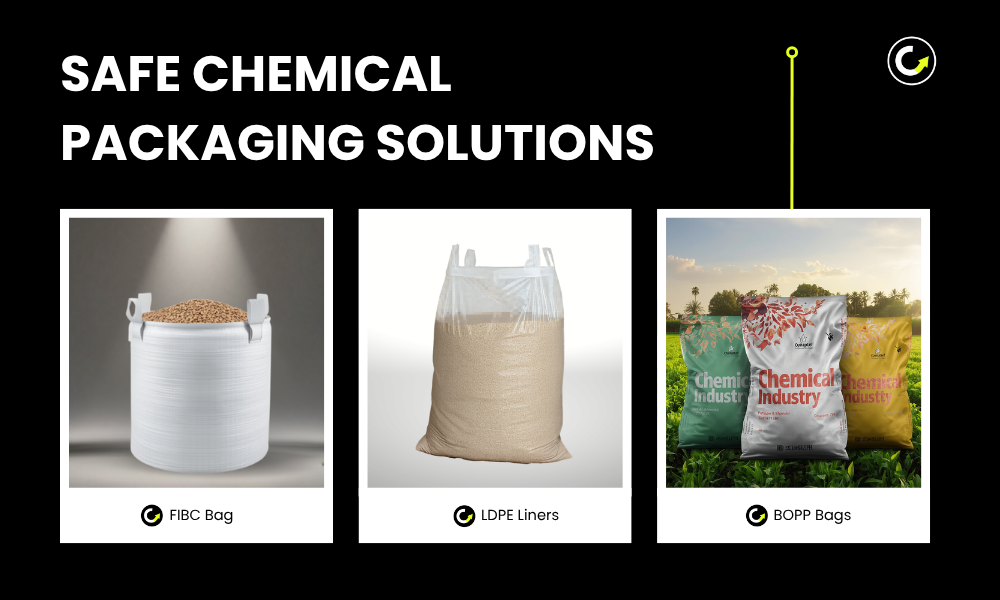
UN-certified FIBC jumbo bags with LDPE liners designed for safe chemical storage and industrial transport.

Best Packaging Options:

  • FIBC Jumbo Bags (Type A, B, & C):
      • Type B: Prevents sparks in dusty environments.
      • Type C (Conductive): Designed for flammable environments where the bag must be grounded.
  • LDPE LinersUsed inside woven bags to provide a 100% leak-proof environment for fine powders and hazardous chemicals.
  • HDPE Woven Bags – For secondary packaging
  • UN-Certified Packaging: If you are transporting “Dangerous Goods,” your packaging must meet international UN standards for strength and puncture resistance.

Key Features to Consider:

  • Chemical resistance
  • Leak-proof design
  • Anti-static properties (for hazardous materials)
  • Compliance with safety standards

Expert Tip:

For hygroscopic chemicals (those that absorb water from the air), use Aluminium Foil Liners inside your FIBCs for a total vapor barrier. Choosing the right packaging for the chemical industry ensures safety, regulatory compliance, and risk reduction during handling and transport.

Packaging Solutions for Construction Industry

Construction materials like cement, sand, and gravel are heavy, abrasive, and often stored outdoors in harsh weather.
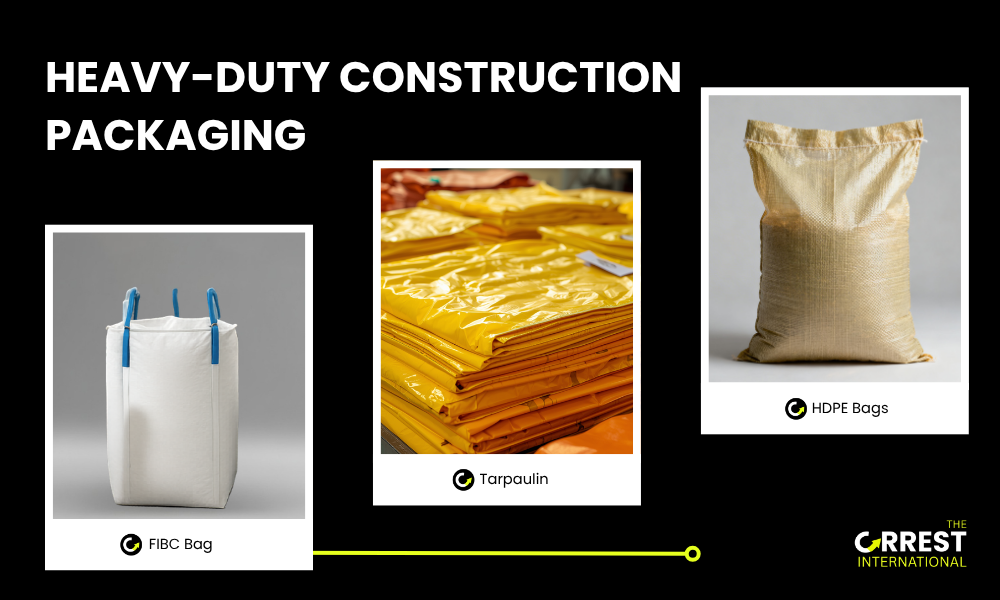
Heavy-duty HDPE woven bags and waterproof tarpaulins used for construction packaging and material protection at a construction site.

Best Packaging Options:

  • Tarpaulin (HDPE/LDPE)For site protection. Look for high GSM (Grams per Square Meter) counts and reinforced eyelets to ensure they withstand high winds and heavy rain. For site protection and from rain, and dust.
  • HDPE Woven Bags Designed with high tensile strength to prevent tearing when dragged across concrete or gravel. Used for cement, sand, and aggregates
  • AD*STAR Sacks: The industry favorite for cement. These block-bottom bags are moisture-resistant and virtually burst-proof, even when dropped.
  • Stretch Films – Secures palletized goods

Key Features to Consider:

  • Tear resistance
  • Weatherproofing
  • High tensile strength
  • Easy handling

Expert Tip:

When selecting bags for sand or cement, check the Safety Factor (SF). For single-use, a 5:1 ratio is standard; for reusable bags, insist on a 6:1 ratio

Reliable construction packaging materials reduce material loss, improve logistics efficiency, and protect against environmental damage.

Quick Comparison: Industrial Packaging Selection

Industry

Primary Requirement

Top Material Choice

Technical Highlight

Agriculture

Breathability, UV Protection, Moisture control, durability

PP Woven, BOPP Bags, Ground Cover

100% Recyclable, UV-Treated

Chemicals

Leak-proof, Anti-static, Safety, contamination control

FIBC Bags with LDPE Liners

UN-Certified, Conductive

Construction

Tear Resistance, Weight

HDPE Sacks, Tarpaulin

High GSM, High Tensile Strength

Factors to Consider When Choosing Industrial Packaging

Choosing the right packaging solution isn’t just about cost—it’s about matching the packaging to your product, logistics, and sustainability goals. Here are the key factors you should evaluate:

1. Product Type
Start by understanding what you’re packaging. Is it solid, liquid, powder, or granular? Each form requires a different level of protection, sealing, and material compatibility.

2. Storage & Transport Conditions
Consider where and how your product will be stored and transported:

  • Indoor vs. outdoor storage
  • Exposure to moisture, UV, or temperature changes
  • Long-distance or export shipping requirements

3. Load Capacity
Packaging needs vary depending on volume and weight:

  • Small bags for retail or light-duty use
  • Bulk packaging solutions for industrial-scale handling

4. Environmental Impact
Sustainability is becoming a major decision factor. Look for:

  • Recyclable materials
  • Reusable packaging options
  • Reduced environmental footprint

5. Cost Efficiency
Balance is key. The cheapest option isn’t always the best—focus on packaging that offers durability, protection, and long-term value without overspending.

 5 Critical Factors to Audit Before You Buy

  1. Safety Factor (SF): Does your bulk bag need to be 5:1 (Single trip) or 6:1 (Multi-trip)?
  2. Micron Thickness: For liners, ensure the micron count is sufficient for the “sharpness” of your material.
  3. Coating vs. Lining: Do you need a laminated coating (to keep dust in) or an internal liner (to keep moisture out)?
  4. Filling & Discharge Style: Choose between Spout Top, Duffle Top, or Open Top based on your automated filling machinery.
  5. Sustainability: Opt for 100% Recyclable Polypropylene (PP) to align with global ESG goals and reduce plastic waste taxes.

Conclusion

Selecting the right industrial packaging solutions is not just about packaging – it is about improving efficiency, reducing costs, and ensuring product safety.

Whether you are in agriculture, chemicals, or construction, using the right materials like PP woven bags, FIBC jumbo bags, tarpaulin, and LDPE liners can make a significant difference in your operations.

Selecting the right industrial packaging is a balance of science and logistics. By matching the technical properties of materials like FIBC jumbo bags, PP woven sacks, and HDPE liners to your specific industry needs, you protect both your product and your bottom line.

Ready to optimize your packaging?

At The Crrest International, we specialize in high-performance, customized packaging solutions.

Speak to our technical team to find the perfect fit for your supply chain.

Get a Custom Quote

FAQs  (Frequently Asked Questions)

Q1. What are industrial packaging solutions?

A: Industrial packaging solutions refer to packaging materials designed for bulk handling, storage, and transportation of goods across industries like agriculture, chemicals, and construction.

A: PP woven bags and ground covers are widely used for agriculture due to their durability, breathability, and moisture resistance.

A: FIBC jumbo bags with LDPE liners are considered safe for bulk chemical storage and transport due to their leak-proof and contamination-resistant properties.

A: Tarpaulin protects construction materials from weather conditions like rain, sunlight, and dust, ensuring material quality is maintained.

A: FIBCs reduce manual handling, maximize shipping container space, and are the most cost-effective way to transport flowable dry goods up to 2,000kg.

A: Yes, 100% Polypropylene (PP) bags are fully recyclable. Many industries are now moving toward “Circular Economy” bags containing PCR (Post-Consumer Recycled) content.

A: Using a heat-sealed LDPE or Aluminium liner inside a woven bag provides the best protection against humidity and atmospheric moisture.

A: HDPE (High-Density) is stiffer and more durable, ideal for woven bags and tarps. LDPE (Low-Density) is flexible and puncture-resistant, making it perfect for internal liners and films.

Leave a Reply

Your email address will not be published. Required fields are marked *